
Introduction
Piles, also known as hemorrhoids, are a common condition that many people experience at some point in their lives. While medical treatment or surgery can provide relief, many patients are surprised when piles return after treatment. This recurrence often leads to frustration and confusion. One of the most important reasons piles come back is poor diet and unhealthy lifestyle habits. What we eat, how active we are, and how we manage bowel habits directly affect pressure in the rectal area. At TRUE Hospitals in Gurgaon and West Delhi, doctors regularly educate patients on how simple changes in diet and lifestyle can significantly reduce the chances of piles recurrence and improve long-term comfort.
Diet plays a central role in bowel health and is one of the biggest factors influencing piles recurrence. A diet low in fibre can lead to hard stools and constipation, forcing individuals to strain during bowel movements. Repeated straining increases pressure on the veins around the anus, which can cause piles to redevelop even after successful treatment. Patients who rely heavily on refined foods, fast food, and low-water intake are more likely to experience this problem.
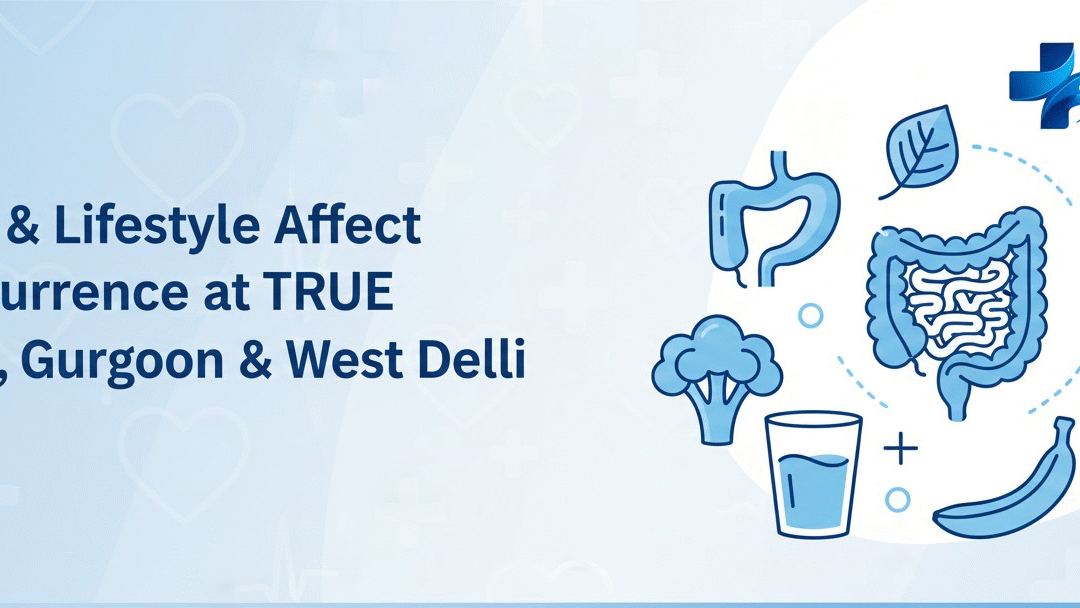
Fibre-rich foods help soften stools and promote smooth bowel movements. When digestion is healthy and stools pass easily, pressure on the rectal veins is reduced. Doctors at TRUE Hospitals encourage patients to gradually increase fibre intake through natural food sources while maintaining adequate hydration. Sudden changes without enough water can cause bloating, which is why balance is important.
Hydration is often overlooked but plays a critical role in preventing piles recurrence. Drinking enough water keeps stools soft and supports digestive health. Dehydration leads to dry, hard stools, increasing the risk of constipation and straining. Patients recovering from piles treatment are advised to make hydration a daily habit rather than relying on occasional intake.
Lifestyle habits are equally important. A sedentary lifestyle, long hours of sitting, and lack of physical activity slow down digestion and increase pressure in the lower rectum. Many working professionals in Gurgaon and West Delhi spend extended hours sitting, which can worsen piles symptoms over time. Regular physical activity helps improve blood circulation, stimulates bowel movements, and reduces pressure on anal veins. Even light exercises such as walking can make a noticeable difference.
Another lifestyle factor that contributes to piles recurrence is delaying bowel movements. Ignoring the urge to pass stools causes stools to become harder and more difficult to pass later. This habit increases straining and pressure during bowel movements. Doctors at TRUE Hospitals advise patients to respond to natural urges promptly and establish a regular bowel routine.
Poor toilet habits can also lead to recurrence. Spending too much time on the toilet, often due to mobile phone use, increases pressure in the anal area. This prolonged sitting can strain veins and slow healing after piles treatment. Patients are encouraged to keep toilet time short and avoid unnecessary straining.
Stress is another hidden factor that affects digestive health. Chronic stress can disrupt bowel habits, leading to constipation or irregular bowel movements. Stress may also cause individuals to neglect healthy eating and hydration. Managing stress through adequate sleep, relaxation techniques, and balanced routines supports both digestive and overall health.
Weight management is important in preventing piles recurrence. Excess body weight increases pressure on the abdominal and pelvic regions, contributing to vein swelling around the anus. Maintaining a healthy weight through balanced diet and regular activity reduces this pressure and lowers the risk of recurrence.
Post-treatment care is crucial even after piles surgery or laser treatment. Many patients feel better and gradually return to old habits, which can undo the benefits of treatment. At TRUE Hospitals, patients receive clear guidance on long-term lifestyle changes to protect against recurrence. Consistency in healthy habits is key to lasting relief.
Smoking and excessive alcohol consumption can also negatively affect blood circulation and digestive health, increasing the likelihood of piles returning. Limiting these habits supports better healing and long-term outcomes.
Conclusion
Piles recurrence is often linked to everyday habits rather than medical treatment failure. Diet choices, hydration, physical activity, and bowel habits all play a major role in maintaining rectal health. By adopting a fibre-rich diet, staying hydrated, remaining active, and practicing healthy toilet habits, patients can significantly reduce the risk of piles coming back. At TRUE Hospitals in Gurgaon and West Delhi, doctors focus not only on treatment but also on educating patients about sustainable lifestyle changes that promote long-term comfort and prevent recurrence. Small, consistent changes can make a big difference in protecting digestive health.
Frequently Asked Questions
Can piles return after surgery or laser treatment?
Yes, piles can return if diet and lifestyle habits are not improved after treatment.
What foods help prevent piles recurrence?
Foods rich in fibre, along with adequate water intake, help maintain soft stools and reduce straining.
Does sitting for long hours cause piles to come back?
Prolonged sitting can increase pressure in the rectal area and contribute to piles recurrence.
How important is hydration in preventing piles?
Hydration is very important as it helps soften stools and supports smooth bowel movements.
Why choose TRUE Hospitals in Gurgaon or West Delhi for piles care?
TRUE Hospitals provides comprehensive piles treatment along with long-term lifestyle guidance to help prevent recurrence and improve patient outcomes.
Worried about piles coming back? At TRUE Hospitals in Gurgaon & West Delhi, our specialists provide personalised guidance on diet, lifestyle, and treatment options to prevent recurrence and improve long-term comfort. Visit TRUE Hospitals or book a consultation today to take proactive steps for your digestive health.