

The erythrocyte sedimentation rate (ESR) often known simply as the ESR test or ESR blood test is a basic but useful tool for inflammation in the body. Although this test does not pinpoint specific disease,its result the ESR normal value or ESR normal range, provides a hint about underlying issues when elevated. When someone has symptoms such as fever, fatigue, or joint pain, a higher than expected ESR value often needs more check ups. In addition with increasing aswareness about routine health monitoring, many individuals are now opting for ESR testing as part of their diagnostic workup. Moving more on the topic, this blog covers what the ESR test is, the normal ESR range, common symptoms and causes of high ESR levels.
What is ESR test?
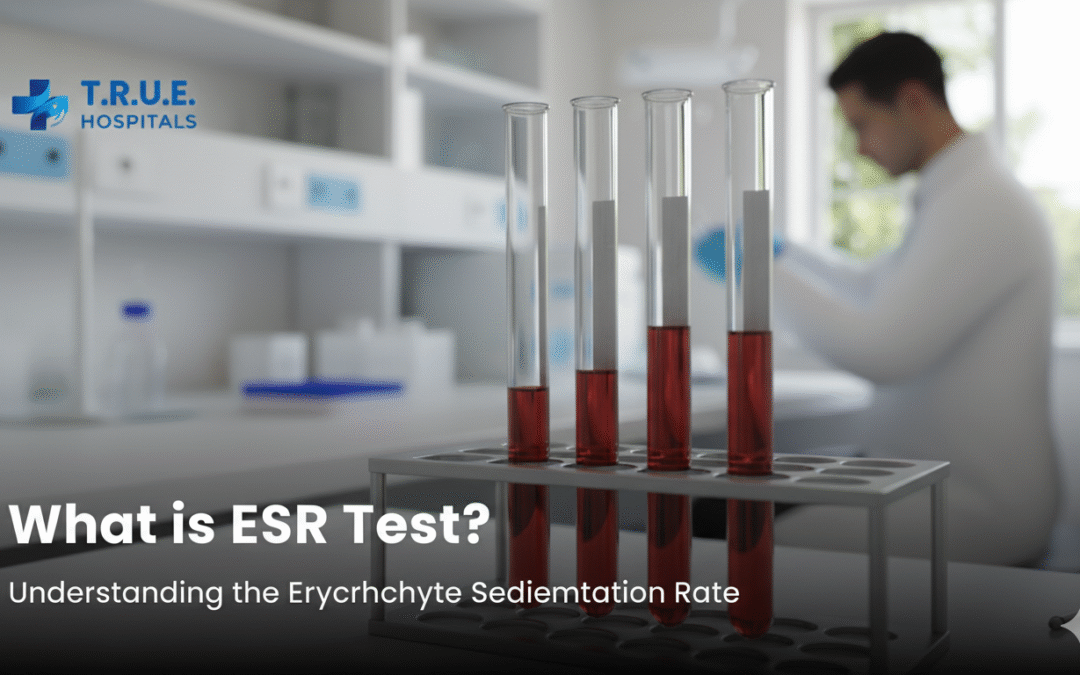
The ESR test, or ESR vlood test, measures how fast red blood cells settle in one hour at the bottom of the test tube. In inflammation, proteins make cells clump together, so they fall more quickly leaving to a higher ESR value.
The ESR normal range or ESR normal value depends on age and sex (for women under 50 it’s- 0-20 mm/hr, for women over 50. If ESR is high whereas, ESR high means the inflammation or a disease might be present, common causes include infection, autoimmune disorders, chronic diseases, or anemia. In women, ESR may be elevated by menstrual cycles, hormonal changes, or pregnancy.
How is the ESR Test Performed in Gurgaon?
- The ESR test (Erythrocyte Sedimentation Rate) is a simple blood test that checks how fast red blood cells settle in one hour.
- A small blood sample is drawn from a vein and placed upright in a Westergren tube using the ESR Westergren method.
- The tube is left undisturbed for 60 minutes to measure the erythrocyte sedimentation rate (ESR value).
- The ESR normal range is 0–15 mm/hr for men and 0–20 mm/hr for women.
- ESR high means there may be inflammation, infection, or other health issues.
- The test is often done with a CBC ESR test and reported as “mm/hr” on your blood report.
ESR Normal Range for Males and Female
The ESR normal value can vary based on age, gender, and laboratory methods, but the following ranges are commonly used:
- Men under 50 years: 0–15 mm/hour
- Men over 50 years: 0–20 mm/hour
- Women under 50 years: 0–20 mm/hour
- Women over 50 years: 0–30 mm/hour
In the ESR blood test, women often show slightly higher ESR levels due to hormonal changes, menstruation, or pregnancy which explains why ESR is high in females. These normal ESR levels are useful reference points, but doctors interpret results along with symptoms and other tests like the CBC ESR test for accuracy.
If the erythrocyte sedimentation rate (ESR) is higher than normal, it may indicate inflammation, infection, or another medical condition. Therefore, understanding the ESR test meaning and its normal range helps in identifying potential health issues early.
Symptoms of ESR
A raised ESR level often indicates inflammation or an underlying health problem. While the ESR test (Erythrocyte Sedimentation Rate test) doesn’t cause symptoms itself, doctors usually recommend an ESR blood test when certain warning signs appear.
Raised levels of the ESR may signal inflammation or other underlying health problems. Despite the fact that the ESR test (Erythrocyte Sedimentation Rate test) does not directly cause symptoms, physicians often recommend a blood ESR test in those who present with particular warning signs.
Common symptoms that may prompt an ESR test include:
- Persistent or unexplained fever – A high ESR level can suggest ongoing infection or inflammation.
- Body pain or joint stiffness – Often linked to arthritis or autoimmune conditions detected through a high ESR value.
- Unusual fatigue or weakness – Chronic tiredness without a clear reason may lead doctors to check the ESR level in blood.
- Loss of appetite or sudden weight loss – These can be early indicators of inflammation or other high ESR causes.
- Frequent headaches or morning stiffness – May be associated with inflammatory diseases where erythrocyte sedimentation rate increases.
- Anaemia-like symptoms – Pale skin, dizziness, or tiredness can be related to a raised ESR in blood report.
Why ESR May Be Higher in Females?
The ESR test (Erythrocyte Sedimentation Rate) often shows slightly higher values in females due to natural physiological and hormonal factors. Hormonal fluctuations during the menstrual cycle, pregnancy, or menopause can affect how quickly red blood cells settle in the ESR blood test. Additionally, anaemia and certain autoimmune disorders, which are more common in women, may also contribute to a raised erythrocyte sedimentation rate.
These variations are generally normal and do not always indicate an underlying illness. However, it’s important to note that an elevated ESR value alone does not confirm disease; doctors always interpret ESR test results in combination with symptoms and other diagnostic findings to form a complete clinical picture.
High ESR Symptoms in Females
In women, a high ESR may be associated with:
- Pelvic discomfort or irregular periods
- Prolonged fatigue and weakness
- Joint pain, stiffness, or autoimmune signs like hair loss or rashes
- Swelling or pain related to inflammation
Hormonal changes due to menstruation or pregnancy can also naturally affect ESR levels in females.
High ESR Symptoms in Males
In men, a high ESR level may be linked to:
- Persistent fever or infection
- Unexplained tiredness and weight loss
- Swelling in joints or muscles
- General signs of inflammation, such as localised pain or redness
Men experiencing these signs should follow up with appropriate tests to understand the cause and get timely guidance.
Reasons for ESR tests
A high ESR (Erythrocyte Sedimentation Rate) often signals inflammation or an underlying health issue. While the ESR blood test doesn’t specify the exact cause, it helps doctors identify when something may be affecting normal body function. Common reasons for high ESR include:
- Infections – Bacterial, viral, or fungal infections can temporarily raise ESR levels.
- Autoimmune disorders – Conditions like rheumatoid arthritis, lupus, or vasculitis cause chronic inflammation and a high ESR.
- Chronic diseases – Tuberculosis, inflammatory bowel disease (IBD), and kidney disorders may increase erythrocyte sedimentation rate.
- Anaemia – Especially anaemia of chronic disease can affect ESR normal values.
- Cancers – Certain cancers such as lymphoma or multiple myeloma may elevate ESR in blood.
- Hormonal factors – Pregnancy, menstruation, and ageing can naturally raise ESR normal range in females.
A raised ESR test result should always be interpreted along with symptoms and other investigations, as high ESR means possible inflammation, not a confirmed diagnosis.
Treatment for high ESR tests in Gurgaon
A high ESR (Erythrocyte Sedimentation Rate) often signals inflammation or an underlying health issue. While the ESR blood test doesn’t specify the exact cause, it helps doctors identify when something may be affecting normal body function. Common reasons for high ESR include:
- Infections – Bacterial, viral, or fungal infections can temporarily raise ESR levels.
- Autoimmune disorders – Conditions like rheumatoid arthritis, lupus, or vasculitis cause chronic inflammation and a high ESR.
- Chronic diseases – Tuberculosis, inflammatory bowel disease (IBD), and kidneydisorders may increase erythrocyte sedimentation rate.
- Anaemia – Especially anaemia of chronic disease can affect ESR normal values.
- Cancers – Certain cancers such as lymphoma or multiple myeloma may elevate ESR in blood.
- Hormonal factors – Pregnancy, menstruation, and ageing can naturally raise ESR normal range in females.
A raised ESR test result should always be interpreted along with symptoms and other investigations, as high ESR means possible inflammation, not a confirmed diagnosis.
Take the First Step Towards Better Health
Monitoring ESR levels is a simple yet crucial way to detect inflammation early and support diagnosis of underlying conditions. Whether part of a routine health check or to investigate specific symptoms, timely ESR test helps make a real difference. At T.R.U.E. Hospitals, the ESR test in Gurgaon is performed using the Westergren method on an EDTA blood sample a trusted and accurate approach for erythrocyte sedimentation rate (ESR) measurement. To schedule your ESR blood test, simply contact us or book via our online platform and we’ll take care of everything.
